



The Ultimate Showdown: Epoxy vs Polyaspartic - Which Floor Coating Reigns Supreme
- JT
- 1 day ago
- 4 min read
When it comes to choosing the most durable floor coating, two names stand out: epoxy and polyaspartic. Both materials have earned reputations for toughness and longevity, but they differ in key ways that affect performance, application, and cost. This post breaks down the strengths and weaknesses of each to help you decide which floor coating truly reigns supreme for your needs.
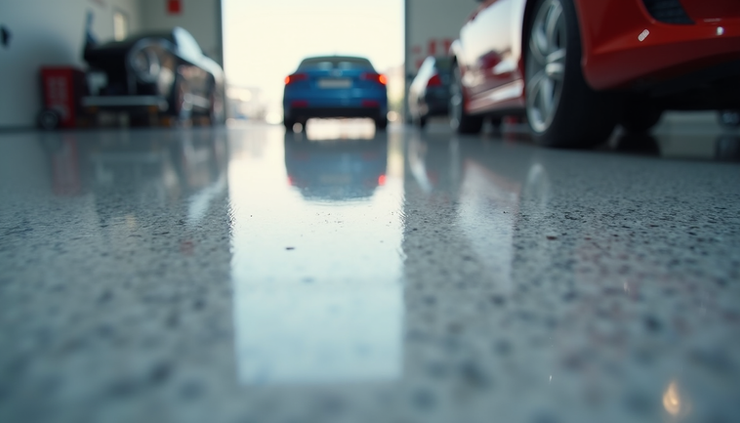
What Makes a Floor Coating Durable?
Durability in floor coatings means resistance to wear, chemicals, stains, and impact. It also involves how well the coating adheres to the surface and how long it maintains its appearance under heavy use. Both epoxy and polyaspartic coatings are known for their durability, but they achieve it through different chemical properties and application methods.
Epoxy Floor Coatings: Strengths and Limitations
Epoxy coatings are made from a two-part system consisting of resin and hardener. When mixed, they form a rigid plastic material that bonds tightly to concrete and other surfaces.
Advantages of Epoxy
High durability: Epoxy creates a hard, impact-resistant surface that withstands heavy foot and vehicle traffic.
Chemical resistance: It resists many chemicals, including oils, solvents, and cleaning agents.
Cost-effective: Epoxy coatings tend to be less expensive than polyaspartic options.
Aesthetic versatility: Available in various colors and finishes, epoxy can be customized with flakes, metallic pigments, or anti-slip additives.
Drawbacks of Epoxy
Long curing time: Epoxy can take 24 to 72 hours to fully cure, which may delay project completion.
UV sensitivity: Epoxy tends to yellow or chalk when exposed to sunlight, making it less ideal for outdoor use.
Temperature sensitivity: Application requires specific temperature ranges to cure properly.
Brittleness: While hard, epoxy can crack under extreme stress or substrate movement.
Polyaspartic Floor Coatings: What Sets Them Apart
Polyaspartic coatings belong to the polyurea family and cure through a chemical reaction that happens quickly at room temperature.
Advantages of Polyaspartic
Fast curing: Polyaspartic coatings can cure in as little as 1 to 3 hours, allowing for faster project turnaround.
UV stability: Unlike epoxy, polyaspartic resists yellowing and degradation from sunlight, making it suitable for indoor and outdoor use.
Flexibility: Polyaspartic coatings are more flexible, reducing the risk of cracking on surfaces that expand or contract.
Chemical and abrasion resistance: They offer excellent protection against chemicals and physical wear.
Drawbacks of Polyaspartic
Higher cost: Polyaspartic coatings generally cost more upfront than epoxy.
Application skill required: The fast curing time means installers must work quickly and precisely.
Limited pot life: Once mixed, the coating must be applied rapidly before it hardens.
Comparing Performance in Real-World Settings
Industrial and Commercial Spaces
Epoxy floors are common in warehouses and factories due to their toughness and affordability. They handle heavy machinery and chemical spills well but may require re-coating every few years, especially in areas exposed to sunlight.
Polyaspartic floors excel in commercial settings where downtime must be minimized. Their rapid curing allows businesses to resume operations quickly. Their UV resistance also makes them ideal for outdoor patios, garages, and walkways.
Residential Applications
For homeowners, epoxy floors offer a durable and attractive option for basements, garages, and workshops. However, if the floor is exposed to sunlight or temperature fluctuations, polyaspartic coatings provide longer-lasting protection and maintain their appearance better.
Maintenance and Longevity
Both coatings are easy to clean with mild detergents and water. Polyaspartic floors tend to maintain their gloss and color longer, reducing the need for frequent maintenance. Epoxy floors may require occasional polishing or touch-ups to address wear and UV damage.
Cost Considerations
While epoxy coatings are more budget-friendly, the longer curing time can increase labor costs and downtime. Polyaspartic coatings have a higher material price but save time and reduce disruption due to their quick curing.
Here’s a rough cost comparison per square foot:
Epoxy: $3 to $7
Polyaspartic: $6 to $12
Prices vary based on surface preparation, coating thickness, and additional finishes.
Application Process Differences
Epoxy Application
Surface preparation includes cleaning, grinding, or shot blasting.
Mixing resin and hardener carefully.
Applying primer coat if needed.
Spreading epoxy evenly with rollers or squeegees.
Allowing 24-72 hours to cure before use.
Polyaspartic Application
Similar surface prep as epoxy.
Mixing components quickly.
Applying coating within minutes due to fast cure.
Usually no primer needed.
Ready for foot traffic in a few hours.
Environmental and Safety Factors
Both coatings are generally safe when applied with proper ventilation and protective gear. Polyaspartic coatings emit fewer volatile organic compounds (VOCs), making them a greener choice. Epoxy products vary widely, so selecting low-VOC formulas is important.
Which Floor Coating Should You Choose?
Choosing between epoxy and polyaspartic depends on your priorities:
Budget-conscious: Epoxy offers strong durability at a lower cost.
Fast turnaround: Polyaspartic cures quickly, minimizing downtime.
Outdoor use: Polyaspartic resists UV damage better.
Flexibility needs: Polyaspartic handles substrate movement without cracking.
Aesthetic options: Both offer customization, but epoxy has a longer track record.
Final Thoughts on Durable Floor Coatings
Both epoxy and polyaspartic coatings deliver exceptional durability, making them top choices in the industry. Epoxy remains a reliable, cost-effective option for many indoor applications. Polyaspartic stands out when speed, UV resistance, and flexibility are critical.
Assess your project’s specific needs, budget, and timeline to select the floor coating that will provide lasting performance and value. Consulting with a professional installer can also help ensure the best results.
Ready to upgrade your floors? Consider these factors carefully to choose the coating that will keep your surfaces strong and looking great for years to come.

Comments