




Transform Your Garage with Stunning Epoxy Floor Coatings
- JT
- 1 day ago
- 4 min read
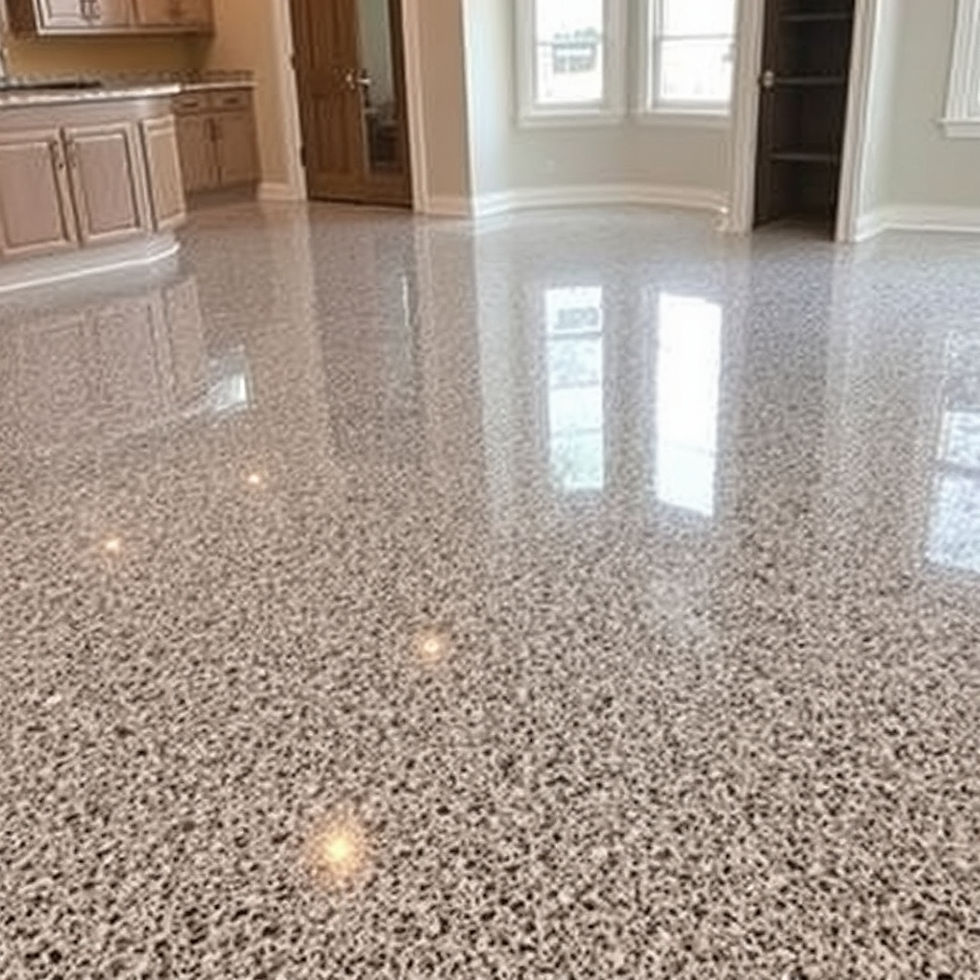
Garages often serve as more than just parking spots. They can be workshops, storage areas, or even extra living spaces. But many garages suffer from dull, cracked, or stained floors that detract from their potential. Epoxy floor coatings offer a practical and attractive solution to transform your garage into a clean, durable, and stylish space.
What Makes Epoxy Garage Floors a Great Choice
Epoxy is a type of resin that creates a hard, protective surface when applied to concrete floors. It bonds tightly with the concrete, sealing cracks and preventing damage from moisture, chemicals, and heavy use. Here are some reasons epoxy floors stand out:
Durability: Epoxy resists wear and tear from vehicles, tools, and foot traffic.
Easy Maintenance: The smooth surface cleans easily with a mop or hose.
Chemical Resistance: It withstands oil spills, gasoline, and other common garage substances.
Aesthetic Appeal: Available in various colors and finishes, epoxy floors brighten and modernize any garage.
Safety: Some epoxy coatings include anti-slip additives to reduce accidents.
Preparing Your Garage Floor for Epoxy
Proper preparation is key to a successful epoxy floor. The concrete must be clean, dry, and free of cracks or damage. Here’s a step-by-step overview:
Clear the Garage: Remove all items to access the floor fully.
Clean Thoroughly: Sweep and wash the floor to remove dirt, grease, and stains.
Repair Cracks: Fill any cracks or holes with concrete patching compound.
Etch the Surface: Use a mild acid solution or mechanical grinder to roughen the concrete, helping epoxy adhere better.
Dry Completely: Ensure the floor is fully dry before applying epoxy to avoid bubbling or peeling.
Skipping these steps can lead to poor adhesion and a shorter lifespan for your epoxy floor.
Choosing the Right Epoxy Coating
Epoxy coatings come in different types and finishes. Selecting the right one depends on your garage’s use and your style preferences:
Water-Based Epoxy: Easier to apply and lower in odor, but less durable.
Solvent-Based Epoxy: Stronger and more resistant but requires good ventilation during application.
100% Solids Epoxy: The most durable and thickest option, ideal for heavy-duty garages.
Flake or Metallic Epoxy: Adds decorative flakes or metallic pigments for a unique look.
Matte or Glossy Finish: Glossy floors reflect light and look sleek, while matte finishes hide imperfections better.
Consult with a professional or supplier to find the best epoxy for your needs.
Applying Epoxy Floor Coatings
Applying epoxy requires careful attention to detail. If you prefer a DIY approach, follow these tips:
Work in a well-ventilated area and wear protective gear.
Mix the epoxy resin and hardener according to instructions.
Use a roller or squeegee to spread the epoxy evenly.
Apply multiple thin coats rather than one thick coat.
Allow proper curing time between coats and before using the garage.
Professional installers can complete the job faster and ensure a flawless finish, especially for larger or more complex garages.
Benefits Beyond Appearance
Epoxy floors do more than just look good. They protect your garage investment and improve functionality:
Increased Property Value: A well-maintained garage with an epoxy floor can boost home resale appeal.
Long-Term Savings: Epoxy reduces the need for frequent repairs or replacements.
Improved Lighting: Reflective epoxy surfaces brighten the space, reducing the need for extra lighting.
Resistance to Mold and Mildew: Sealed floors prevent moisture buildup that causes mold.
Customizable Options: You can add logos, patterns, or color combinations to personalize your garage.
Common Uses and Examples
Many homeowners use epoxy floors in various ways:
Car Enthusiasts: A glossy epoxy floor highlights vehicles and resists oil stains.
Workshop Spaces: Durable surfaces withstand dropped tools and heavy equipment.
Storage Areas: Easy-to-clean floors keep stored items dust-free.
Home Gyms: Epoxy floors provide a stable, non-slip surface for workouts.
For example, a family converted their cluttered garage into a bright workshop with a metallic epoxy floor, making it both functional and inviting. Another homeowner chose a flake epoxy finish to hide imperfections and add texture.
Maintaining Your Epoxy Garage Floor
Keeping your epoxy floor looking great is simple:
Sweep regularly to remove dirt and grit.
Clean spills immediately to prevent staining.
Use a mild detergent and water for routine cleaning.
Avoid harsh chemicals or abrasive tools that can damage the surface.
Inspect periodically for chips or cracks and repair promptly.
With proper care, epoxy floors can last 10 to 20 years or more.
Final Thoughts on Epoxy Garage Floors
Epoxy floor coatings offer a smart way to upgrade your garage. They combine durability, style, and ease of maintenance, turning a neglected space into a highlight of your home. Whether you want a sleek showroom look or a rugged workshop floor, epoxy can meet your needs.
If you want to improve your garage’s appearance and functionality, consider epoxy flooring as a long-lasting solution. Start by assessing your garage’s condition, choose the right epoxy type, and prepare the surface carefully. Whether you tackle the project yourself or hire a professional, the result will be a garage floor that stands up to daily use and looks impressive for years.
Take the first step today and explore epoxy options to transform your garage into a space you’ll enjoy every day.

Comments